

Why Some Dogs Develop Chronic Cough After Outdoor Activity
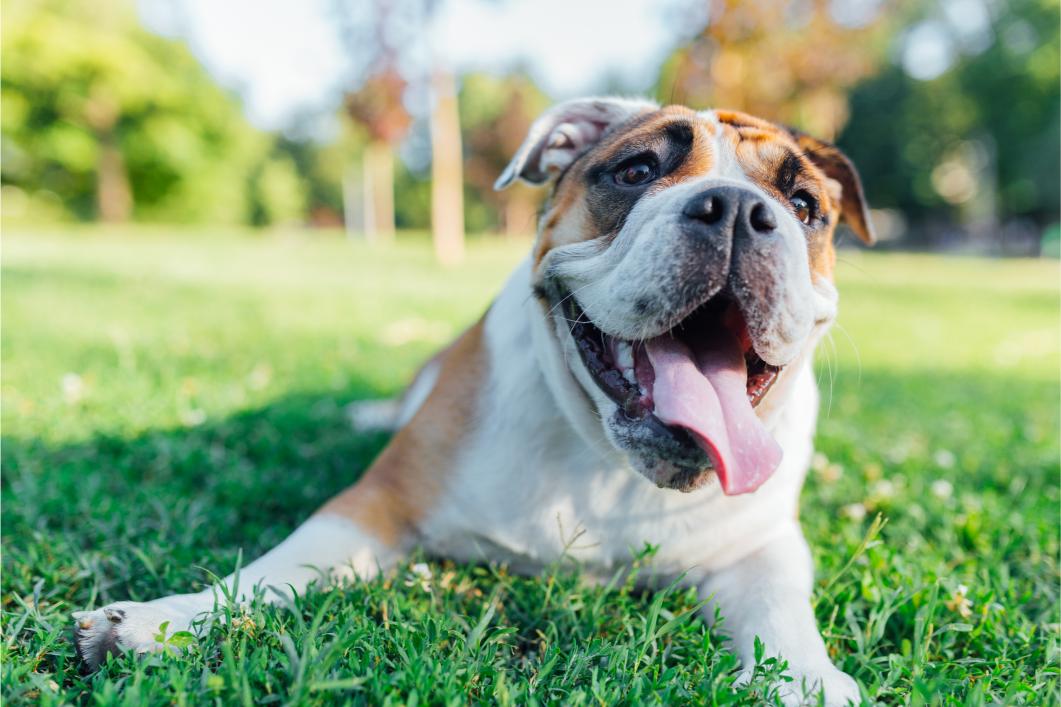
There is nothing quite like a happy dog living their best outdoor life. Zoomies at the park, sniffing every blade of grass, hiking trails with their favorite humans, or barking at absolutely nothing from the backyard fence line. But if your pet starts coughing after outdoor activity and the cough won’t go away, it may be more than just excitement or a scratchy throat.
A chronic cough in dogs can have several causes, and outdoor activity sometimes acts as the trigger that brings an underlying issue to the surface. While some coughs are mild and temporary, others deserve a closer look from your veterinarian.
When Playing Outside Comes With Coughing Fits
Dogs explore the world through their nose first. They inhale pollen, dust, smoke, grass particles, and other outdoor irritants while playing outside. For some dogs, all that outdoor fun can irritate their airways and lead to coughing fits.
Coughing symptoms to look for:
- Dry hacking coughs
- Wheezing or raspy breathing
- Gagging after running
- Coughing more at night
- Trouble catching their breath after activity
In some cases, outdoor allergens can contribute to airway inflammation, especially during high pollen seasons. Smoke, dust storms, and dry air can also irritate sensitive respiratory systems.
If the cough keeps returning or becomes part of your dog’s daily routine, it is time to investigate further.
Not Every Cough Is a Symptom of Allergies
It is easy to assume a chronic cough is allergy-related. Several medical conditions can cause coughing that worsens after activity.
Some common causes include:
- Collapsing Trachea: This condition is especially common in small-breed dogs. The airway becomes weaker over time, causing a honking cough sound, especially during exercise or excitement.
- Chronic Bronchitis: Dogs with chronic bronchitis have ongoing inflammation in the airways. Exercise can trigger coughing because the lungs are already irritated and sensitive.
- Heart Disease: Sometimes coughing after activity is related to the heart rather than the lungs. Dogs with heart conditions may cough more after exertion because fluid can build up around the lungs.
- Respiratory Infections: Certain infections can linger longer than expected and leave dogs with a lingering cough even after they seem fine.
- Environmental Irritation: Dust, smoke, pollen, grass, and even strong outdoor chemicals can irritate the throat and airways.
The tricky part is that many of these conditions can sound similar at home, which is why chronic coughing in dogs should always be evaluated by a veterinarian.
What to Watch Out For
A single cough here and there may not be alarming, but a cough that lasts for weeks is worth attention. Dogs are experts at acting normal even when something feels off.
Chronic cough signs to watch for:
- Coughing that lasts more than a few days
- Coughing during or after exercise
- Wheezing or noisy breathing
- Low energy levels
- Loss of appetite
- Blue or pale gums
- Difficulty breathing
- Coughing that sounds moist
Keeping track of when the cough happens can help your veterinarian narrow things down. Keep track of when it happens, for example: after walks, during excitement, at night, or after being exposed to dust. The tiny details matter.
Helping Your Pet Breathe Easier
Treatment depends on the underlying cause, but there are ways to help reduce coughing at home while you work with your veterinarian.
Helpful tips:
- Avoid outdoor activity during dusty or smoky conditions
- Use a harness instead of a neck collar
- Limit strenuous exercise during hot weather
- Keep up with routine veterinary exams
- Avoid cigarette smoke and strong fragrances around pets
- Monitor seasonal allergy flare-ups
Most importantly, do not ignore an ongoing cough just because your dog still seems playful. Chronic coughing is the body’s way of signaling that something deserves attention.
Don’t Ignore Chronic Coughing
If your dog develops a chronic cough after outdoor activity, it is always better to play detective early instead of waiting for symptoms to worsen. Some causes are mild and manageable, while others require medical treatment to prevent complications.
A veterinary exam can help uncover what is really going on and get your pet back to enjoying outdoor adventures. If your dog has been coughing after walks, playtime, or backyard zoomies, schedule an appointment with Volunteer Veterinary Hospital today.