

Turtles and Spring Salmonella Transfer
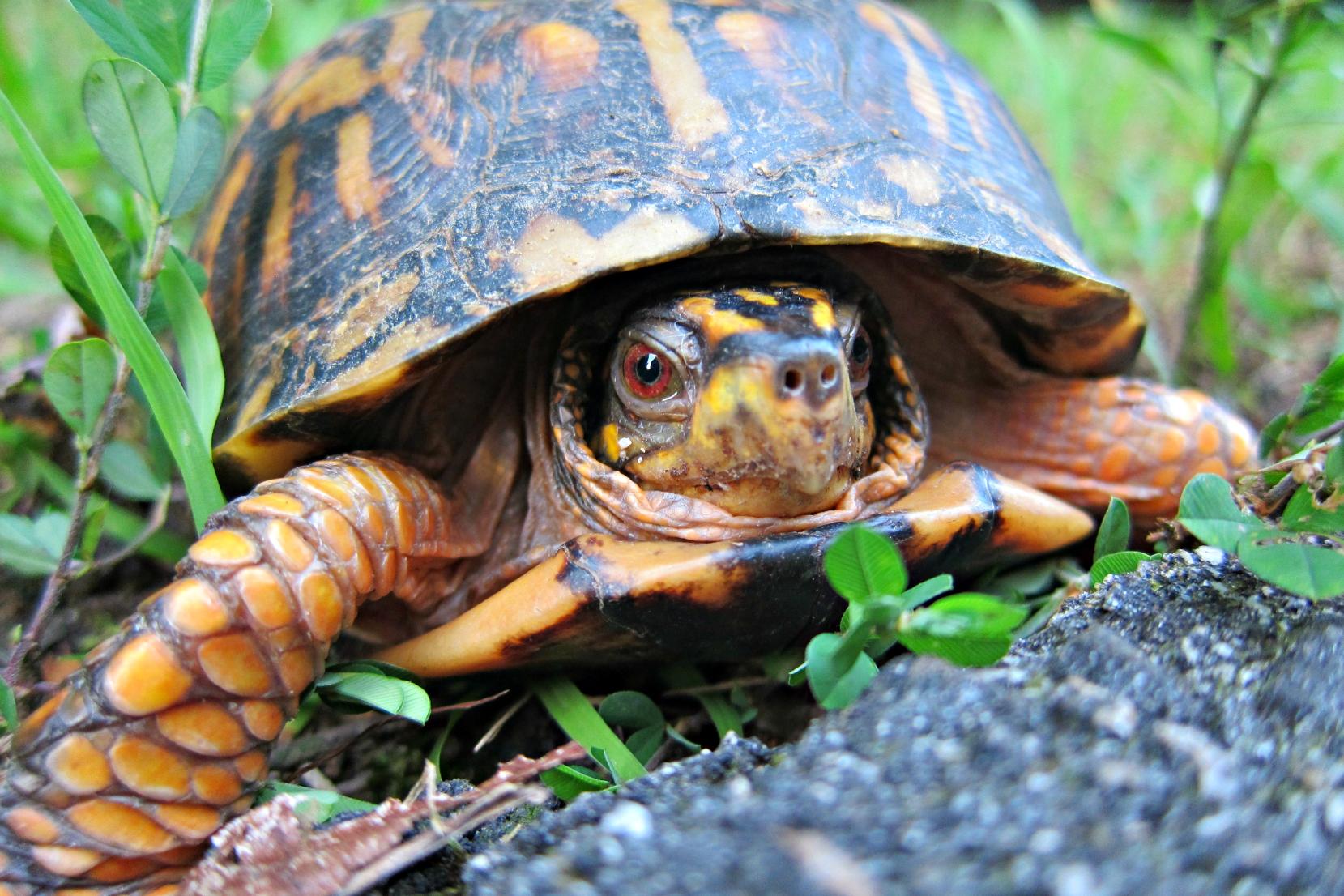
As the weather warms and Knoxville’s streams and ponds begin to awaken, pet parents should be aware of a subtle but serious health risk: salmonella transfer from wildlife to pets. While turtles may seem like cute, harmless creatures, these slow-moving reptiles can carry salmonella, which can pose a danger to both pets and people.
Box Turtles and Dogs: A Curious Combination
Box turtles and dogs, in particular, are a combination that warrants caution. Dog wildlife curiosity is a natural part of canine behavior—sniffing, pawing, or even trying to chase small animals. A seemingly innocent encounter with a box turtle can expose your dog to salmonella, especially during spring when turtles become more active.
Salmonella bacteria live in the turtles’ intestines and can be shed in their feces. If a dog investigates a turtle or a pond edge where turtles congregate, it can easily pick up the bacteria and bring it home.
Spring Pond Risk for Pets
Spring pond risk for pets isn’t limited to turtles. Ponds and streams are bustling with wildlife activity, including amphibians, birds, and small mammals, all of which can carry bacteria or parasites. Dogs exploring these areas may drink from the water, sniff the mud, or chase wildlife, increasing their chance of exposure. Even a quick encounter can lead to gastrointestinal upset, lethargy, or more serious illness in susceptible pets.
Knoxville Wildlife and Pets: Staying Safe
Knoxville wildlife and pets interact frequently, especially in suburban or rural areas where green spaces meet backyards. Understanding the habits of local wildlife, like box turtles, can help prevent unnecessary health risks.
Dog wildlife curiosity just comes naturally, but you can lower their chance of exposure to salmonella by not allowing dogs to roam unsupervised near ponds and by keeping an eye on curious sniffers who may be drawn to slow-moving reptiles.
Preventing Salmonella in Pets and People
Salmonella isn’t just a pet concern; it can also spread to humans. To prevent transmission:
- Always wash your hands after handling pets, cleaning enclosures, or coming into contact with wildlife areas.
- Avoid letting pets lick faces or share food.
- Clean any areas your pet frequents if they’ve had wildlife exposure.
If anyone in your household experiences gastrointestinal symptoms after a pet or wildlife encounter, contact your healthcare provider promptly.
Preventive Care at Volunteer Veterinary Hospital
At Volunteer Veterinary Hospital, we emphasize preventive care and education, helping pet parents navigate the seasonal risks of interactions between Knoxville wildlife and pets.
By respecting wildlife boundaries, monitoring your dog’s outdoor adventures, and practicing good hygiene, you can enjoy the beauty of Knoxville’s ponds and green spaces while minimizing the risk of salmonella in pets in Tennessee. Contact our team at (865) 609-0311 if your pet has a concerning encounter with wildlife or if it’s time for your pet’s wellness visit.