

How Fall Mast Crops (Acorns, Hickory Nuts, and Walnuts) Affect East Tennessee Pets
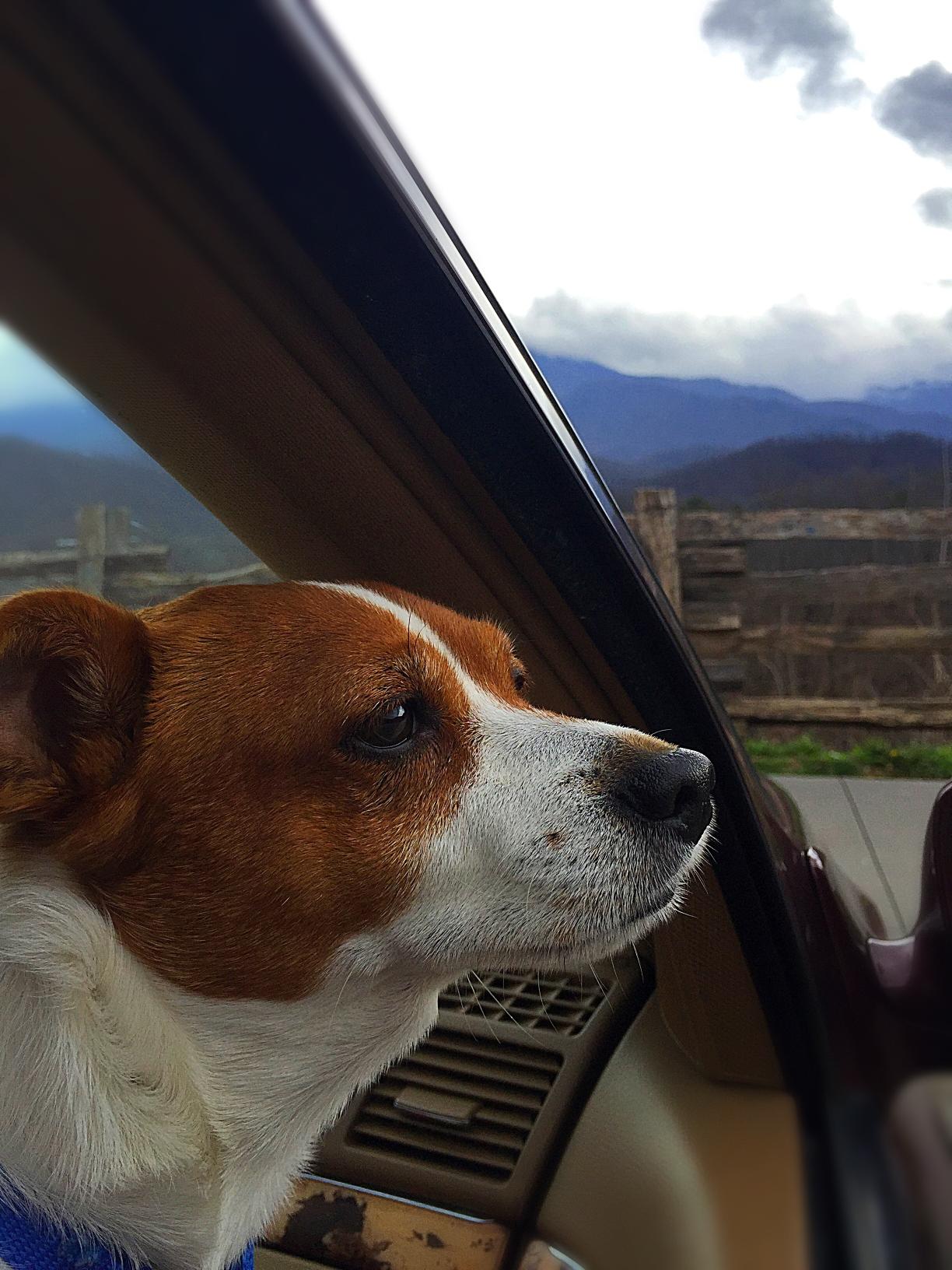
Autumn in East Tennessee brings rolling color, crisp air, and wooded trails carpeted in gold and rust. But alongside the beauty of the season comes something less picturesque: the annual drop of nuts and acorns known as a mast crop.
While acorns, hickory nuts, and walnuts are a natural part of the ecosystem, they can contribute to fall pet hazards when curious dogs decide they look like snacks instead of forest debris. Understanding these risks is an important part of pet poison prevention during the autumn months.
What Is a Mast Crop?
A mast crop refers to the seasonal production of seeds and toxic nuts pets can encounter from trees such as oak trees (acorns), hickory trees, and walnut trees.
In heavy mast years, these nuts can blanket the ground in wooded neighborhoods, trails, and even suburban yards across Knoxville. For pets, that means more opportunities for accidental ingestion.
Acorn Toxicity in Dogs and Other Risks
Let’s face it, those little nuts that fall from above can resemble treats and playthings to curious pets. And while not every nut causes poisoning, the risk gets higher with repeated or large ingestion.
Potential concerns include:
- Acorn toxicity in dogs, due to tannins that may irritate the digestive tract
- Gastrointestinal upset (vomiting, diarrhea)
- Intestinal blockage from swallowed nuts
- Choking hazards, especially with larger hickory nuts
- Mouth and tooth injuries from hard shells
- Mold-related toxins from decaying nuts (particularly walnuts)
Signs Your Pet May Have Eaten Toxic Nuts
If your dog has been roaming areas with heavy nut fall, watch closely for:
- Vomiting
- Diarrhea
- Lethargy
- Loss of appetite
- Abdominal discomfort
- Straining to defecate
- Pawing at the mouth
Reducing Exposure to Toxic Nuts Pets May Encounter
These simple steps can significantly reduce the risk of accidental ingestion:
- Rake or clear fallen acorns and nuts from yards.
- Supervise pets during outdoor play.
- Keep dogs on leash during hikes or wooded walks.
- Avoid allowing pets to chew unknown outdoor objects.
- Check yards after windy days or storms.
- Be extra cautious under oak, hickory, and walnut trees.
When to Contact a Knoxville Veterinarian
Not every acorn encounter leads to illness, but you should contact your Knoxville veterinarian if symptoms appear or ingestion is suspected.
Seek veterinary care if your pet shows:
- Persistent vomiting or diarrhea
- Signs of abdominal pain or bloating
- Weakness or collapse
- Refusal to eat or drink
- Possible obstruction symptoms
Enjoying Fall Safely in East Tennessee
At Volunteer Veterinary Hospital in Knoxville, our team understands how quickly a peaceful walk can turn into an unexpected encounter with fall pet hazards. Whether you’re seeking guidance on acorn toxicity in dogs, concerns about toxic nuts pets may ingest, or general East Tennessee pet care, we are here to help. Contact us at (865) 609-0311.