

Laser Therapy for Healing: How Volunteer Vet Uses Light to Support Recovery
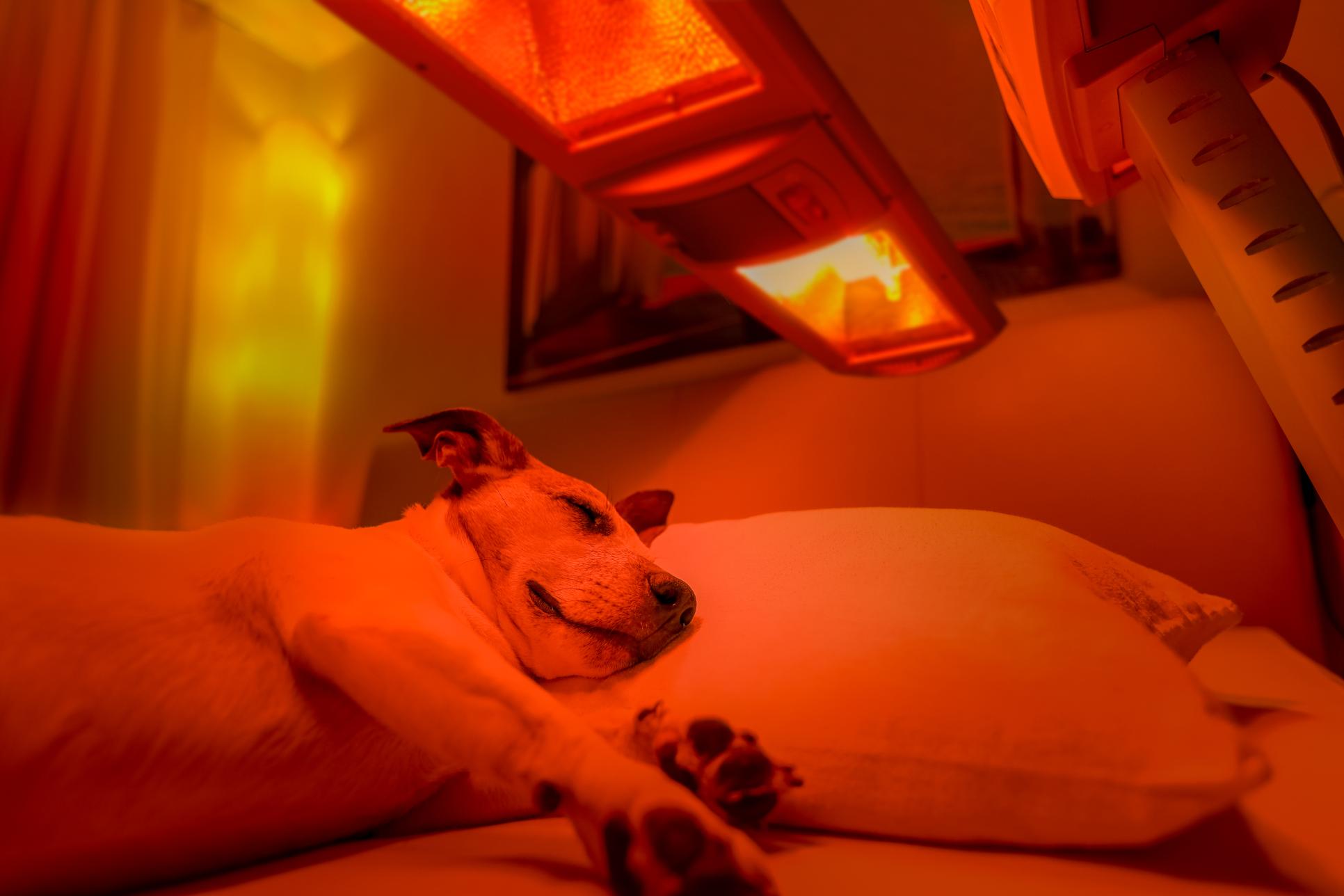
When it comes to modern veterinary medicine, few innovations have made as effective an impact as laser therapy. Best of all, laser therapy is gentle, non-invasive, and useful for a range of issues.
Here’s what the team at Volunteer Veterinary Hospital wants you to know about this groundbreaking canine recovery treatment.
What is Pet Laser Therapy?
Laser therapy—also known as photobiomodulation—uses specific wavelengths of light to stimulate cellular activity. This, in turn, supports healing: the light’s energy penetrates the skin to reach the damaged tissues. This helps increase blood circulation and triggers the release of natural, pain-relieving chemicals, like endorphins.
Basically, laser therapy helps pets by:
- Helping cells regenerate more quickly, which leads to faster healing
- Increasing the delivery of oxygen to the tissues (via that increased blood circulation)
- Naturally reducing inflammation and pain
- Allow better joint flexibility
While medications absolutely have their place in veterinary medicine, some pets react poorly to them—particularly to pain medications. Laser therapy can be an effective, drug-free way to treat both chronic and acute pain in pets.
And because it’s a non-invasive therapy, the treatment doesn’t cause your pet discomfort. It doesn’t require sedation, either. Most pets actually relax during the session. We’ve seen pets take a nice snooze while the warm laser works its (scientific) magic!
How Volunteer Veterinary Hospital Uses Laser Therapy
Here at Volunteer Veterinary Hospital, our veterinarians use therapeutic lasers as part of a comprehensive approach to healing.
We customize treatments to each pet’s condition, adjusting the intensity, duration, and wavelength of the laser to treat specific issues.
Common conditions we treat with laser include:
- Joint pain from arthritis and other conditions
- Incision and wound recovery after surgery
- Muscle strains and injuries to ligaments
- Inflammation in the mouth
- Ear infection pain
- Hot spots and other areas of irritated skin
At Volunteer Vet, we often pair laser therapy with other treatments to help your pet, like physical therapy, weight management, and medication adjustments. Our goal is to incorporate laser therapy where it can help the most as part of a holistic healing plan.
What Does Laser Therapy Look Like in Action?
If you’ve never seen a session of pet laser therapy, you might think it’s something high-tech and intimidating. But it’s not. It’s actually one of the calmest experiences a pet can have at the vet’s office.
Here’s what happens. First, your pet gets settled, resting comfortably on your lap or on a comfortable mat or pad. Next, a trained technician or veterinarian will begin moving a handheld laser wand over the affected area.
The laser device will emit a soft light that reaches through the skin to reach the muscles, tendons, and joints. Your pet will just feel a mild warmth or tingling sensation, a bit like a massage.
The sessions last anywhere between 5 and 20 minutes, depending on your pet’s size and the condition being treated.
Your pet might even fall asleep—that’s how relaxing it can be.
Pet Laser Therapy in Knoxville
If you’re looking for a way to help your pet feel better, whether that’s after a surgery or illness, reach out to our experienced team of Knoxville veterinarians at Volunteer Veterinary Hospital. We can evaluate your pet to see if laser therapy could benefit their condition. Call us today at (865) 609-0311 to learn more or to schedule an appointment.