

Why Does My Pet Keep Chewing or Pulling Out Their Fur?
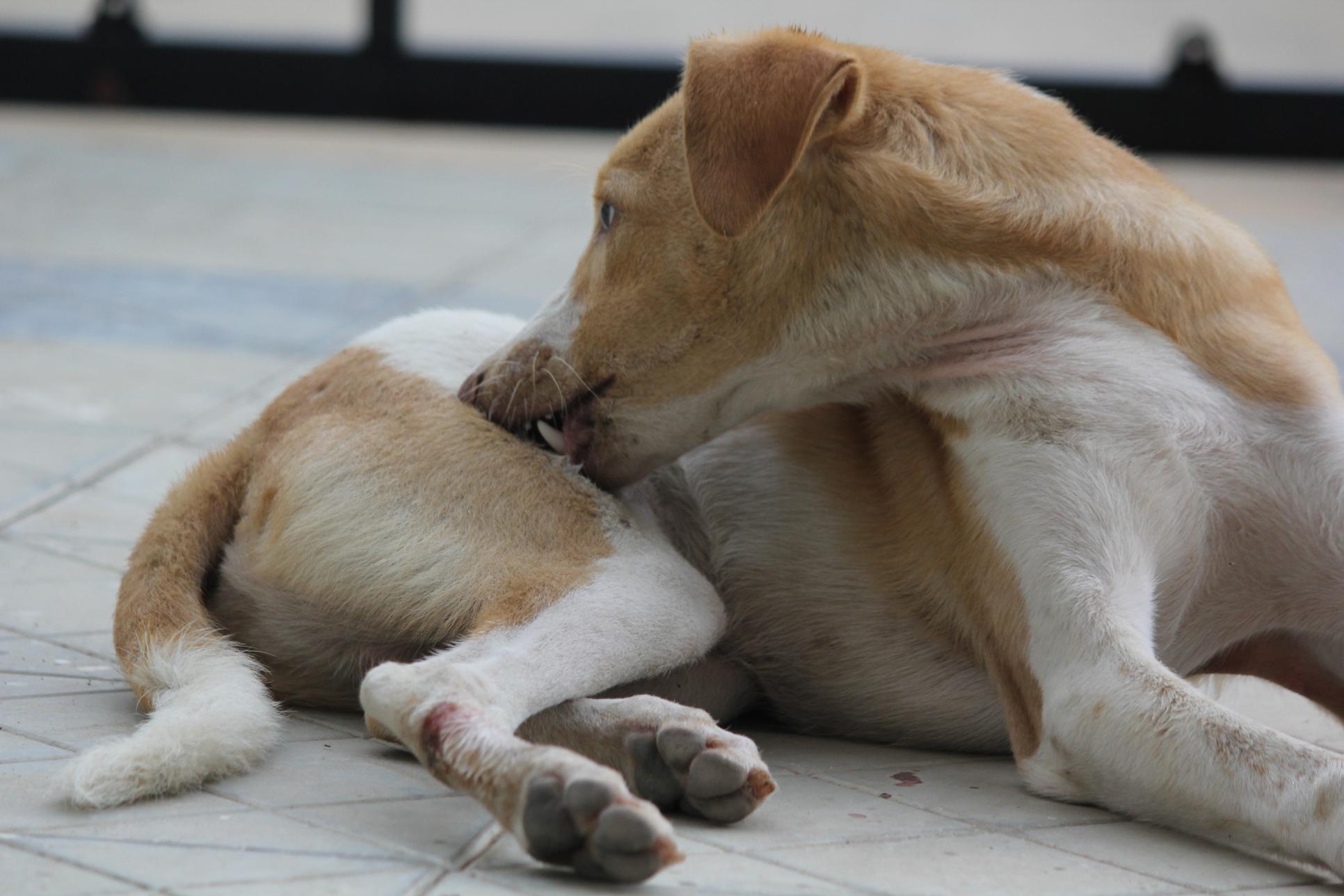
For pets, grooming is serious business. Cats can spend hours tending to their crowning glory, while dogs can turn a quick scratch into a full-on fur-flinging session. But when grooming becomes overly vigorous on a regular basis, there’s usually a reason.
If your pet is repeatedly chewing, licking, scratching, or pulling out fur, it can lead to fur loss in pets and irritated skin. The behavior can be caused by anything from allergies and parasites to pain, infection, or stress. At Volunteer Veterinary Hospital in Knoxville, we can help determine what’s behind the behavior, and create a care plan to help your pet feel comfortable again in their own skin.
Is Your Pet Itchy or Just Obsessed with Grooming?
The first clue is often what the skin looks like. Pets with itchy skin may scratch, lick, chew, or rub certain areas repeatedly. Allergies, fleas, mites, skin infections, and other dermatological problems can all cause significant irritation and itchy skin in pets.
Watch for:
- Red or inflamed skin
- Scabs or sores
- Bald patches
- Flaky skin
- Hot spots
- Frequent scratching or licking
- An unpleasant skin or coat odor
Could Anxiety Cause Excessive Grooming?
Pet anxiety symptoms may include excessive grooming along with hiding, restlessness, changes in appetite, vocalization, destructive behavior, or increased clinginess. However, because physical discomfort can also alter behavior, it’s important to rule out medical causes of excessive grooming before assuming your pet is simply stressed.
What You Can Do at Home
Start by paying attention to patterns.
Notice:
- Where your pet is losing fur
- When the chewing or grooming happens
- Whether the behavior follows outdoor activity, meals, or stressful events
- Any changes in skin appearance
- Whether your pet’s appetite, sleep, or energy has changed
When to Call the Veterinarian
Schedule an examination with your Knoxville veterinarian if fur loss is persistent, worsening, or accompanied by irritated skin, sores, significant itching, or behavioral changes.
Avoid using human creams, medications, or essential oils to treat itchy skin in pets unless your veterinarian recommends them. Some products can be harmful to pets if absorbed through the skin or licked.
Your Knoxville veterinarian can examine the skin and coat, look for parasites or infections, and help determine whether allergies, another medical condition, or a behavioral concern may be contributing to the problem.
At Volunteer Veterinary Hospital, we’re here to help Knoxville pets look good, feel good, and keep their grooming routines within reasonable limits.
Please contact our team at (865) 609-0311 if fur loss in pets has you concerned or if it’s time for your pet’s checkup.