

Winter Hiking in East Tennessee: Keeping Pets Safe on the Trail
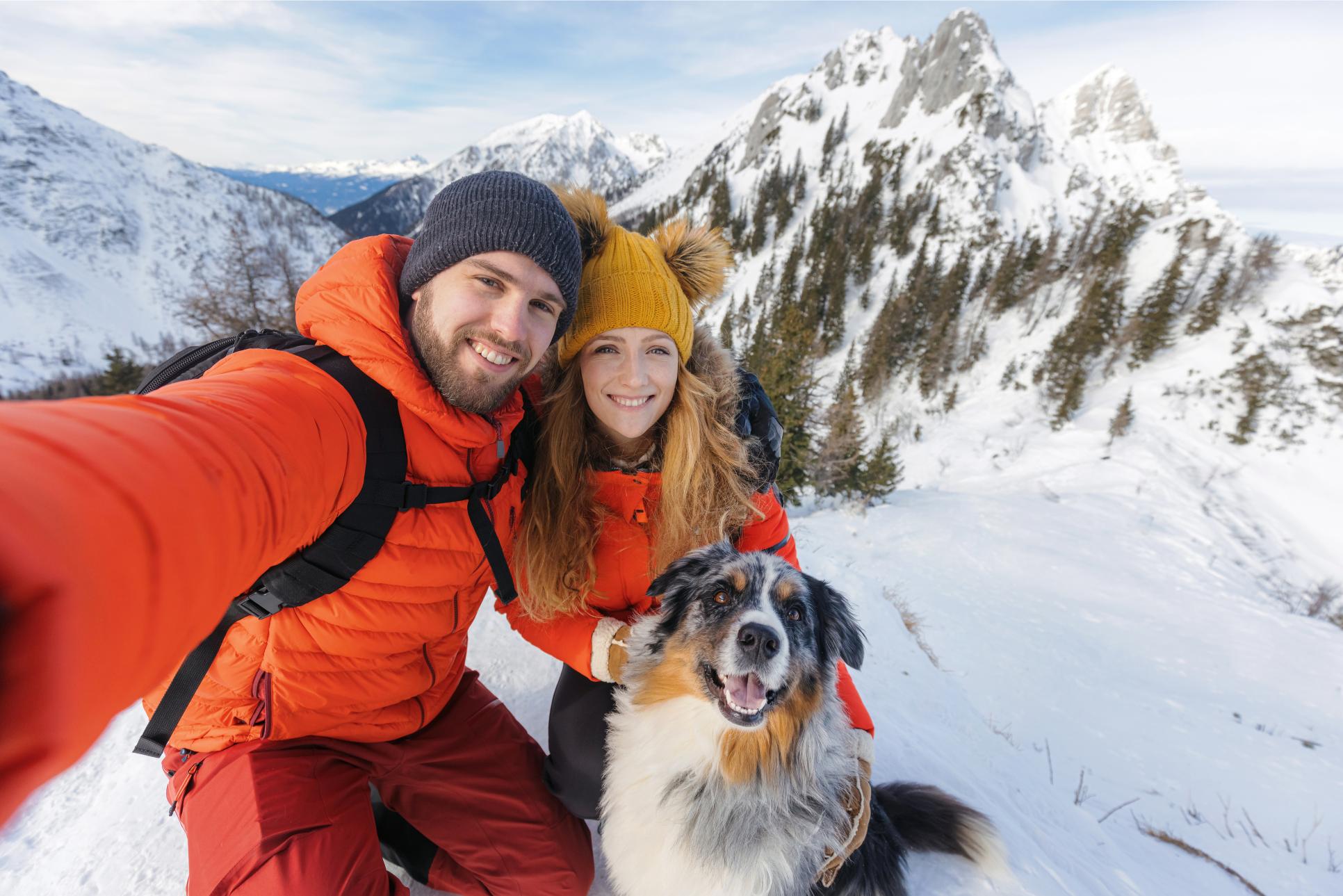
Here in East Tennessee, we’re lucky enough to have beautiful hiking all year long. Sure, it’s chilly in the winter in the Smoky Mountains—but there’s something magical about hiking among frosty trees and the occasional snow.
But as any Knoxville, TN vet knows, there are winter pet hiking safety concerns to know about. Here’s what our team at Volunteer Veterinary Hospital wants you to know.
Why Winter Hiking Needs Extra Caution
In the winter, trails can easily get snowy, icy, or just plain slick from melted frost. It all depends on the day and the elevation. These conditions can test your pet’s paws and joints—not to mention their stamina.
Consider using pet booties or paw wax on your pet’s paws to give them some traction to work with—and insulation from the cold.
Keep hypothermia and frostbite in mind, too. Once temperatures dip below 45°F, your furry friend should keep moving to stay warm. Limit outdoor time to 15 or 20 minute increments as soon as temps drop below freezing (32°F).
Keep an eye on your pet for any signs that they’re cold, like shivering, whining, or sluggishness. If they appear cold, it’s time to cut the hike short and get into the warm car!
Extra Gear for Winter Trail Safety
Before you head out on the trail in the winter, it’s a good idea to prepare for the cold. With ample preparation, you and your pet can enjoy a safe hike.
Consider packing:
- Dog booties or paw protection. Your pet may need to get used to booties, but encourage her with lots of treats and praise every time she wears them. Soon, she’ll start associating them with fun!
- Warm clothing. A well-fitted dog jacket or sweater goes a long way toward helping pets stay warm, especially if they have short hair or thin coats. Again, you might need to help your pet get used to the extra layers, but treats + praise = success.
- Reflective gear. Darkness comes quickly and sticks around for a while in the winter. If you’re headed out in the morning or afternoon, use reflective collars, vests, or LED lights to help your pet (and you) stay visible on trails.
- Extra snacks and water. Your pet still needs plenty of water to stay hydrated, even in the cold. Carry extra water and a collapsible bowl for your pet to drink from. Don’t depend on snow or ice for hydration. Bring snacks for both of you to keep energy levels high.
When you do go out, make sure someone knows where you’re going and when to expect you back. Bring a GPS or phone with satellite calling and texting, a leash, and first-aid supplies for pets and humans.
The more prepared you are, the easier it will be to enjoy a stress-free hike in the Smoky Mountains this winter.
One Final Tip for Success
It’s also a good idea to get your pet a wellness checkup before you head out for the first time. For older and arthritic dogs especially, making sure they’re in good health before you hit the trails is key to a successful adventure.
The experienced team at Volunteer Veterinary Hospital is here to help your pet get ready for a winter packed with exciting hikes. Call us at (865) 609-0311 to schedule an appointment today!