

Knoxville TN Animal Clinic, Knoxville Veterinarian
Summer Storm Anxiety: Helping Knoxville Pets Stay Calm

We’re no strangers to severe weather in this part of Tennessee, but that doesn’t mean our pets welcome unpredictable storm systems. Flooding, tornado warnings, thunderclaps, and the range of associated hazards take extreme tolls on a pet’s tolerance, comfort and adaptability. Along with Volunteer Veterinary Hospital, you can help your pet by preparing for serious situations, prioritizing their relative well-being, and staying close to them in moments of fear, panic and anxiety.
Continue…Outdoor Adventure Essentials: Packing the Perfect Pet First-Aid Kit for Hikes and Road Trips

Whether you’re hiking a local trail or packing up for a long road trip, it’s important to remember a first-aid kit for your furry companions. This summer, we can help you gather road trip pet essentials and stock up on must-have pet supplies that make getting out with your pet simple, safe, and fun.
Continue…Why Cats Love to Sunbathe—And When It Can Be Dangerous

If you’ve ever fallen asleep in the sun, you know how comforting this experience can be. For cats, sunbathing is the ultimate daily ritual that combines two things they appreciate: sleeping safely while achieving full body warmth. Their natural instincts may be reflected in this behavior, but is there a time when sleeping in the sun should be monitored or limited?
Continue…Bear Encounters in the Knoxville Area: What to Do If You and Your Pet Cross Paths

With all of our beautiful wooded areas, we are no stranger to a variety of animal breeds in Knoxville. If you spend a lot of time outside, you are probably likely to encounter a bear at some point. This guide will help you keep you and your pet safe if you should cross paths with a bear:
Continue…The Science of Purring: Why Cats Do It and What It Really Means

The feline purr is a quirk that cat owners marvel over and admire. The comforting, familiar sound of a cat purring is mysterious, though, and leaves many of us with questions. We may not know everything about cat purring, but Volunteer Veterinary Hospital has some answers to many of your questions regarding this incredible cat behavior.
Continue…Heart Murmurs in Pets: What Pet Owners Should Know
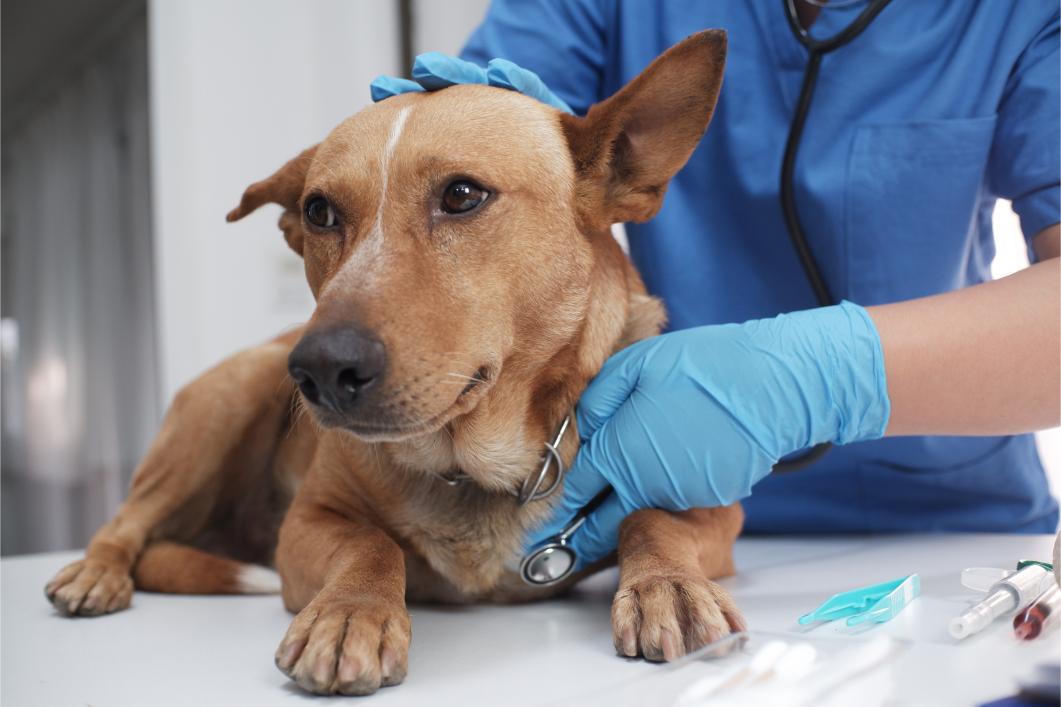
Learning that your pet has a heart murmur can be alarming, but at Volunteer Veterinary Hospital, we’re here to help you understand what it means and what steps you can take to support your pet’s heart health. You can make informed decisions to keep your pet happy and healthy with the proper knowledge and care.
Continue…Pet First-Aid Essentials: Preparing for Winter Emergencies

One of the most significant aspects of pet ownership is establishing and maintaining strategies that ensure their safety. In other words, pet safety is a way of life that, when upheld, manages to promote a pet’s overall well-being. Preparing for winter emergencies is just one more aspect of care and consideration, and can go a long way to prevent illness or injury.
Continue…Holiday Plants Toxic to Pets: What You Need to Know

Among the other items known to cause problems for pets, holiday plants can be terribly toxic. Whether your pet is simply curious, or has a fondness for chewing up greenery, there are certain holiday plants to be avoided at all costs.
Continue…Preparing for Winter Weather: Tips for Keeping Your Pets Warm and Safe

No matter what kind of winter we’re having in Tennessee, it’s worth it to prepare for the worst. This means placing your pet’s needs front and center. While we may not have to contend with sub-zero temperatures and severe wind chill factors, pets can be highly sensitive to seasonal changes. We’ve got some essential tips for keeping pets warm, cozy, and safe this winter so you can both enjoy all the season has to offer.
Continue…Inevitable Change: Senior Pet Care Basics

Life is composed of a series of changes, and we either accept and adapt or fight against time. One day, your pet is flying through the air in pursuit of a favored Frisbee; the next, he or she inexplicably refuses to get off the couch for a meal. Embracing this type of change can be very difficult, but through an understanding of basic senior pet care, you can fortify your aging pet’s overall wellness to ensure maximum safety and comfort.
Continue…Navigating Pet Nutrition Trends: Raw vs. Commercial Diets

All of us want what is best for our pets, and when it comes to pet nutrition, the amount of information out there can be staggering. It can be difficult to identify the best food for pets, and in truth, there is no one-size-fits-all answer. One nutrition trend that has been big lately is raw diets for pets, and Volunteer Veterinary Hospital wants to help clear up any questions on the topic.
Continue…Back To School: Helping Your Pet Cope

The start of the new school year can be a time of great excitement for students and parents alike. But in the hustle and bustle of school supplies, backpacks, and first-day pictures, it’s easy to overlook our four-legged friends.
Chances are, your pet has been enjoying the extra time with the kids during the summer break and he or she may wind up feeling lonely or anxious once your children are back at school. Help your pet beat those “back to school blues” with our tips on helping your furry companion cope this fall.
Continue…ACL Surgery in Dogs: Down But Not Out

Call it the Achilles heel of our canine friends, but a torn ACL in the knee (more properly called a CCL in the dog) is the nemesis of many a pet. Injuries to the cranial cruciate ligament are one of the most common orthopedic problems diagnosed in dogs. Rupture of this ligament makes the knee joint unstable, and it can be an extremely painful condition. Thankfully, your friends at Volunteer Veterinary Hospital can help.
Continue…